Our Perspective
A thoughtful process,
shaped around your event.
Every event is different. The consultation approach at Westbury Planning is designed to adapt to the specific occasion, scale, and priorities of each client — rather than applying a one-size-fits-all template to every engagement.
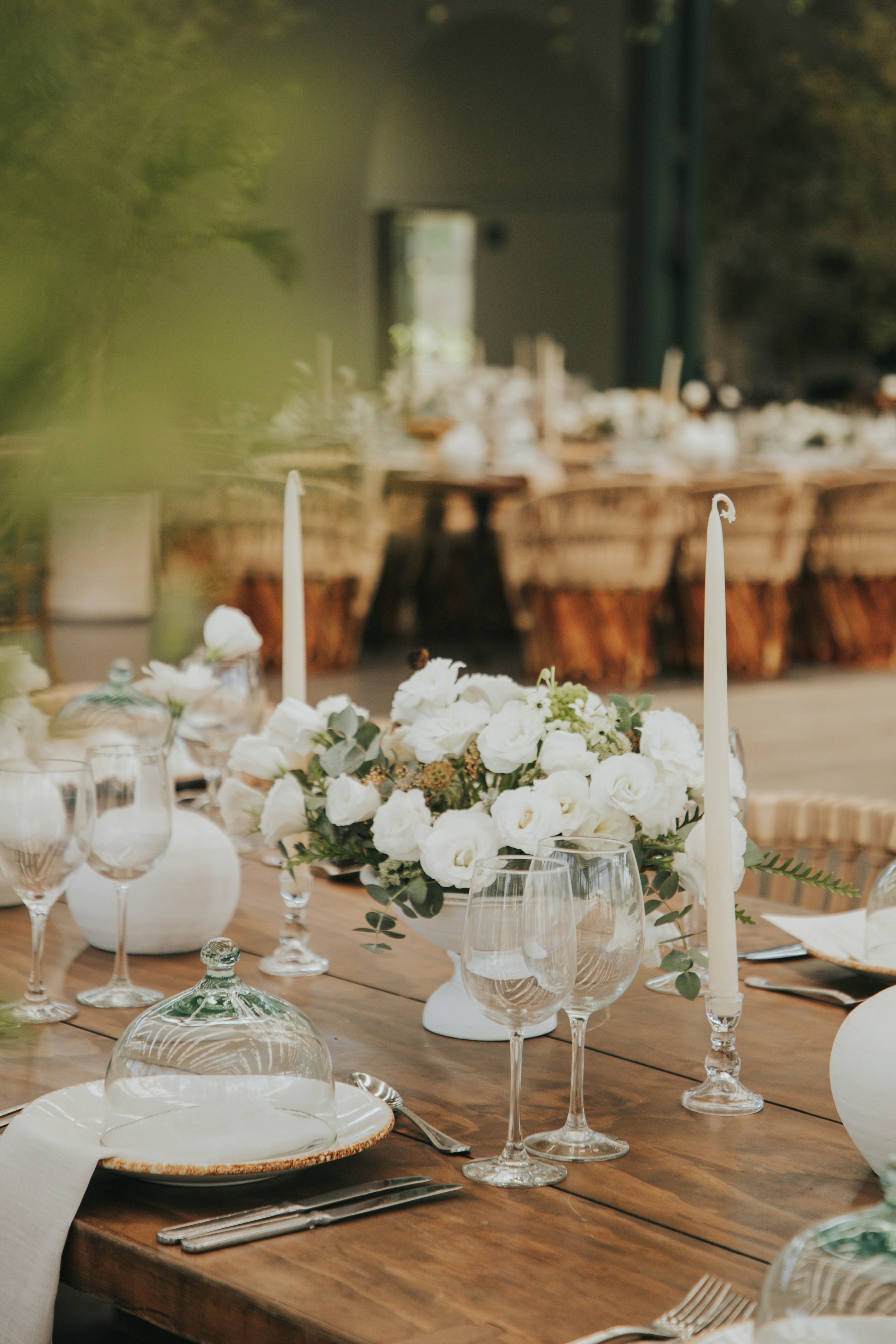
How the consultation works.
Phase One
01The Initial Conversation
Every engagement begins with a direct conversation about your event. This is not a sales call — it is a focused discussion about the occasion, what you are hoping to achieve, and where you feel you need the most support. The goal is to understand the event clearly before making any planning recommendations.
Topics covered in the initial conversation typically include the event date and scale, the guest experience you want to create, your current level of planning progress, budget considerations, and any specific concerns or constraints you have identified.
Phase Two
02Defining Priorities and Scope
Once the event is clearly understood, the next step is to establish what matters most. Not every element of an event carries equal weight, and good planning begins with clarity about where attention and resources should be focused.
This phase results in a clear set of planning priorities and a defined scope of consultation — whether that means comprehensive planning support, focused guidance on specific areas such as vendor coordination or timeline development, or targeted advice on a particular challenge.
Phase Three
03Building the Planning Framework
With priorities established, the consultation moves into building a practical planning framework. This includes a working timeline with key milestones, a structured approach to vendor coordination and decision-making, and a clear picture of what needs to happen and when.
The framework is designed to be usable — not an overwhelming document, but a practical tool that guides the planning process from where you are now to a well-prepared event day.
Phase Four
04Preparation and Final Review
As the event approaches, the consultation shifts toward preparation and review. This includes reviewing logistics, confirming coordination points, addressing any remaining open questions, and ensuring that the event day itself can proceed with confidence.
The final preparation phase is about clarity and readiness. The goal is for every client to arrive at their event day knowing that the planning has been thorough, the key details are confirmed, and they can focus on the occasion itself.
What guides the work.
Every event deserves a real plan.
Good intentions are not a substitute for organization. A real plan — with timelines, priorities, and clear responsibilities — is what separates a well-executed event from a stressful one.
The client always leads.
The consultation exists to support the client's vision, not to impose a predetermined approach. Jeffrey's role is to bring structure and perspective, not to take over the planning process.
Practical over theoretical.
Planning advice should be actionable. The focus is always on what can actually be done, with the resources and time available, rather than idealized recommendations that don't fit the reality of the event.
Ready to talk through your event?
The first step is always a conversation. Share what you're planning and Jeffrey will help you think through what kind of consultation would be most useful.